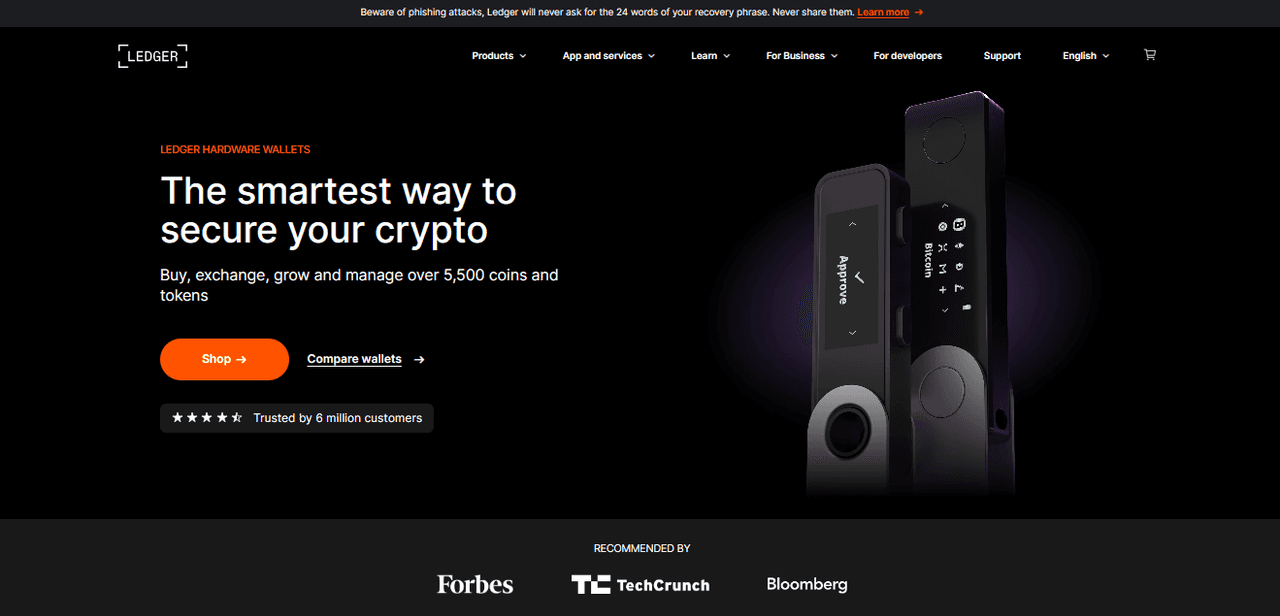
Ledger Login Explained: Secure Wallet Access in a Self-Custody System
As cryptocurrency adoption expands, the way users access and protect their digital assets has become increasingly important. Unlike traditional financial platforms, crypto wallets do not rely on banks, customer support teams, or password recovery systems. Instead, ownership is defined by cryptographic control. Ledger login represents a unique and highly secure approach to wallet access that replaces conventional login methods with hardware-based authentication.
This article provides a detailed explanation of Ledger login, how it works, what makes it different from typical account logins, how Ledger Live fits into the process, common access problems, and best practices for maintaining long-term security.
What People Mean by “Ledger Login”
The phrase “Ledger login” is often misunderstood. Ledger does not function like a website or exchange where users sign in using an email address and password. Instead, Ledger login refers to the process of securely accessing a crypto wallet through a Ledger hardware device using Ledger Live as an interface.
Ledger login includes:
Connecting a Ledger hardware wallet
Unlocking the device with a PIN
Accessing accounts through Ledger Live
Approving transactions directly on the device
There is no centralized login system controlling wallet access. Control remains entirely with the user.
Why Ledger Avoids Traditional Login Systems
Traditional logins depend on centralized servers storing user credentials. While familiar, this model introduces serious risks such as data breaches, phishing attacks, and unauthorized account takeovers.
Ledger intentionally avoids this model by:
Keeping private keys offline
Eliminating password-based wallet access
Requiring physical confirmation for transactions
Removing server-side authentication for funds
This design drastically reduces attack surfaces and prevents remote theft.
Key Elements That Make Up Ledger Login
Ledger login is built on several independent security layers working together.
Ledger Hardware Wallet
The Ledger device stores private keys inside a Secure Element chip designed to resist hacking, tampering, and extraction.
Ledger Live Application
Ledger Live is a companion application used to manage accounts, view balances, and initiate transactions. It never holds private keys.
PIN Code Protection
The PIN code unlocks the Ledger device and prevents unauthorized access if the device is lost or stolen.
Physical Approval
Every transaction must be confirmed manually on the Ledger device screen.
These layers ensure that access cannot be granted without both digital and physical authorization.
How the Ledger Login Process Works
A standard Ledger login session follows a predictable and secure flow:
The user opens Ledger Live on a computer or mobile device
The Ledger hardware wallet is connected via USB or Bluetooth
The device prompts for the PIN code
Once unlocked, Ledger Live syncs account data
Any transaction must be reviewed and approved on the device
At no point are private keys exposed to the internet or the operating system.
No Username or Password for Wallet Access
One of the most important features of Ledger login is the absence of online credentials.
No email login
No wallet password
No password recovery system
No centralized account holding funds
Access is defined by possession of:
The Ledger hardware wallet
The correct PIN
The recovery phrase (for restoration)
This model removes common attack vectors found in traditional systems.
Ledger Login vs Optional Ledger Accounts
Ledger may offer optional services—such as buying crypto, swapping assets, or contacting support—that involve creating an account with an email address. However, this account:
Does not store private keys
Cannot access wallet funds
Cannot approve transactions
Is not required for basic wallet use
Wallet security and access remain fully independent of any online Ledger account.
The Role of the PIN Code
The PIN code is a critical part of Ledger login and protects the device from unauthorized use.
PIN characteristics:
Set during initial device setup
Required every time the device is unlocked
Protects against physical theft
Triggers device reset after repeated incorrect attempts
If the device resets, assets are not lost and can be restored using the recovery phrase.
The Recovery Phrase and Ultimate Access
The 24-word recovery phrase is the most important security element in the Ledger ecosystem. While not used during everyday login, it determines total ownership.
Key facts:
It can restore access on a new Ledger device
Anyone with the phrase controls the funds
It must never be shared or stored digitally
Ledger will never request it
The recovery phrase overrides all other access mechanisms.
Using Ledger Login on Desktop Computers
On desktop systems, Ledger login involves:
Opening Ledger Live
Connecting the Ledger device via USB
Entering the PIN on the device
Confirming actions on the hardware wallet
Ledger Live displays information but cannot move funds without device approval.
Using Ledger Login on Mobile Devices
Mobile access offers flexibility while preserving security:
Bluetooth connection (supported devices)
PIN entry on the hardware wallet
Manual transaction confirmation
Private keys remain isolated inside the Ledger device at all times.
Transaction Confirmation and Ledger Login
Ledger login does not end after unlocking the device. Each transaction requires a second layer of verification.
Before approving a transaction, users should verify:
Recipient address
Amount being sent
Network and transaction fees
This prevents malicious software from altering transactions without detection.
Common Ledger Login Issues and How to Fix Them
Device Not Detected
Try a different USB cable or port
Restart Ledger Live
Ensure device firmware is updated
Forgotten PIN Code
Device resets after multiple incorrect attempts
Restore wallet using the recovery phrase
Ledger Live Not Syncing
Network congestion may delay updates
Clearing cache often resolves the issue
Bluetooth Connectivity Problems
Keep device within range
Re-pair Bluetooth connection
Restart both devices
Ledger Login and Scam Awareness
Many scams target users by exploiting confusion around Ledger login.
Common scams include:
Fake emails asking users to log in
Websites requesting recovery phrases
Fake Ledger Live applications
Ledger login never requires:
Entering recovery phrases online
Browser-based wallet login pages
Email verification to access funds
Any such request is fraudulent.
Best Practices for Secure Ledger Login
To maintain strong security:
Store the recovery phrase offline in a secure location
Never photograph or upload it
Verify all transactions on the device screen
Download Ledger Live only from official sources
Keep firmware and apps up to date
Security depends on both technology and user discipline.
Ledger Login and DeFi Applications
Ledger devices can be used with decentralized finance platforms through Ledger Live or compatible third-party wallets.
In these cases:
Ledger continues to store private keys
Transactions still require physical approval
Ledger login acts as a final security checkpoint
This allows safe interaction with Web3 while maintaining cold-storage protection.
Ledger Login vs Exchange Logins
FeatureLedger LoginExchange LoginPrivate Key ControlUserExchangePassword RequiredNoYesCustody RiskVery lowHighAccount FreezingImpossiblePossibleSecurity ModelHardware-basedServer-based
Ledger login prioritizes ownership and independence.
What Happens If the Ledger Device Is Lost?
Losing the hardware wallet does not mean losing access:
Funds remain on the blockchain
A new Ledger device can be used
Recovery phrase restores access
PIN can be reset during recovery
This design ensures resilience against loss or damage.
Ongoing Improvements to Ledger Login
Ledger continues to strengthen its login framework by:
Improving device interfaces
Enhancing mobile authentication
Advancing Secure Element technology
Simplifying recovery workflows
Expanding secure integrations
The goal is improved usability without sacrificing security.
Why Ledger Login Matters
Ledger login removes many weaknesses found in traditional authentication systems:
No passwords to steal
No centralized credential databases
No remote access to funds
No silent transaction approvals
It reflects the foundational philosophy of cryptocurrency: trust through cryptography and user control.
Final Conclusion
Ledger login is not a conventional login system—it is a hardware-based access model designed for true self-custody. By replacing online credentials with physical verification and offline key storage, Ledger minimizes risks while maximizing user control.
Understanding how Ledger login works allows users to avoid scams, recover safely from device loss, and manage digital assets with confidence. For anyone serious about cryptocurrency security, Ledger’s login approach remains one of the most reliable and trusted methods available.