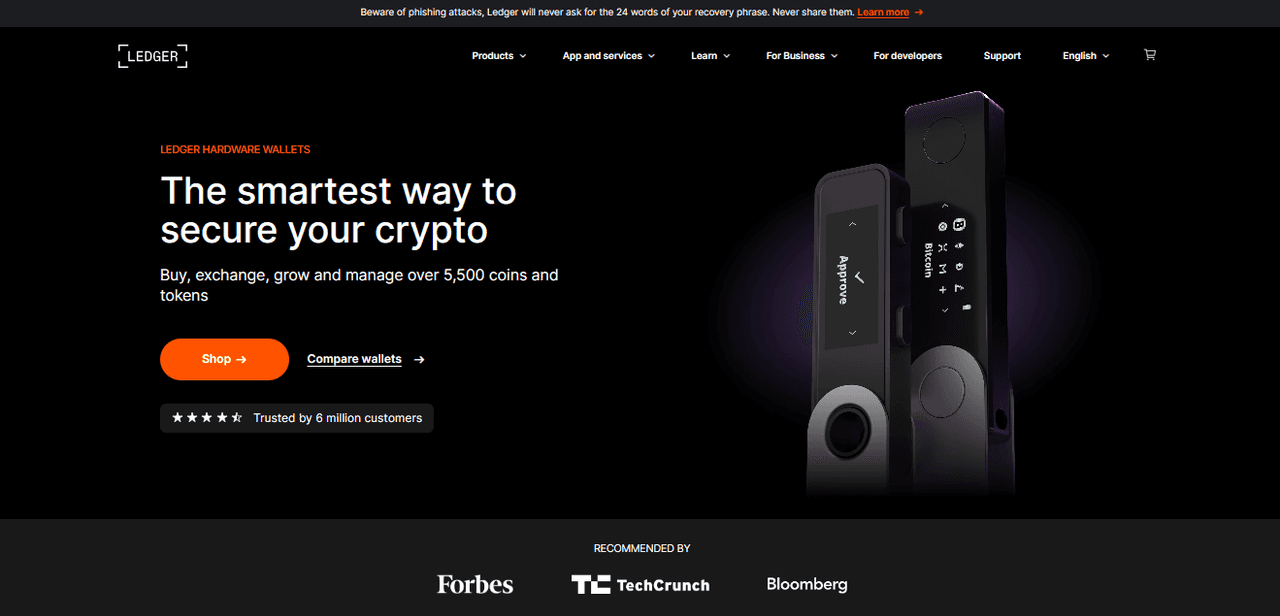
Ledger Login: A Complete Guide to Secure Access and Crypto Protection
As cryptocurrencies continue to reshape the financial landscape, security has become the most important responsibility for digital asset holders. Unlike traditional banking, cryptocurrency transactions are irreversible, and ownership is defined entirely by control of private keys. This makes secure access to crypto wallets essential. Ledger login is a critical concept in this ecosystem, as it represents how users safely access and manage their crypto assets using Ledger hardware wallets and the Ledger Live application.
This in-depth guide explains what Ledger login means, how it works, how it differs from traditional logins, common login issues, security mechanisms, and best practices to ensure safe access to your digital assets.
Understanding Ledger Login
Unlike online platforms, exchanges, or software wallets, Ledger does not use a conventional username-and-password login system for accessing cryptocurrency funds. Instead, Ledger relies on hardware-based authentication combined with secure local access through the Ledger Live application.
When people refer to “Ledger login,” they usually mean:
Accessing the Ledger Live application
Unlocking a Ledger hardware wallet
Confirming identity through a PIN code
Verifying transactions on the physical device
This approach eliminates many of the risks associated with online logins, such as password theft, phishing, and data breaches.
Why Ledger Login Is Different from Traditional Logins
Traditional logins typically involve:
Email or username
Password stored on a server
Optional two-factor authentication (2FA)
Ledger login works differently because:
There are no online accounts holding private keys
Ledger does not store user credentials
Authentication happens offline on the hardware device
Physical confirmation is required
This design aligns with the core principle of blockchain: self-custody.
Components Involved in Ledger Login
Ledger login is not a single step but a combination of secure components working together:
1. Ledger Hardware Wallet
The physical device (Ledger Nano S Plus, Nano X, or Stax) stores private keys securely in a Secure Element chip.
2. Ledger Live Application
Ledger Live is the interface used to view balances, send and receive crypto, stake assets, and manage accounts.
3. PIN Code
A PIN code protects access to the hardware wallet. Without the correct PIN, the device remains locked.
4. Physical Confirmation
Every sensitive action requires confirmation directly on the Ledger device.
How Ledger Login Works in Practice
When a user opens Ledger Live, the app does not automatically grant access to funds. Instead, the login process follows a secure flow:
Ledger Live is opened on a desktop or mobile device
The Ledger hardware wallet is connected via USB or Bluetooth
The device prompts for the PIN code
Once unlocked, Ledger Live can display account information
Any transaction request must be approved on the device
This process ensures that control over assets remains tied to physical possession of the hardware wallet.
No Online Ledger Account for Wallet Access
One of the most important things to understand about Ledger login is that there is no online Ledger account required to access crypto assets.
You do not log in using email or password
Ledger cannot access your funds
Ledger Live does not store private keys
Losing internet access does not lock you out of your wallet
This architecture removes centralized points of failure.
Ledger Login vs Ledger Account
It is important to distinguish between:
Ledger wallet access
Optional Ledger services
Some optional features, such as buying crypto or accessing support, may involve creating a Ledger account using an email address. However:
This account does not control your wallet
It cannot access private keys
It cannot move funds
Wallet security always remains tied to the hardware device and recovery phrase.
The Role of the PIN Code in Ledger Login
The PIN code is the first layer of protection in the Ledger login process.
Key characteristics:
Chosen during initial device setup
Required every time the device is connected
Limits unauthorized access if the device is lost or stolen
Triggers device reset after multiple incorrect attempts
The PIN protects the device locally but does not replace the recovery phrase.
Recovery Phrase and Login Access
The 24-word recovery phrase is the most critical element of Ledger security. While it is not part of everyday login, it defines ultimate access to the wallet.
Important points:
The recovery phrase can restore access on a new Ledger device
Anyone with the phrase can access the funds
Ledger will never ask for it
It should never be entered into a website or app
In effect, the recovery phrase is the master key behind Ledger login.
Ledger Login on Desktop Devices
On desktop systems, Ledger login involves:
Opening Ledger Live
Connecting the Ledger device via USB
Unlocking the device with the PIN
Confirming actions on the device screen
Ledger Live acts as a viewer and transaction initiator, but it cannot act independently of the hardware wallet.
Ledger Login on Mobile Devices
Mobile login works similarly, with added convenience:
Bluetooth connection (supported devices)
PIN entry on the hardware wallet
On-device transaction approval
Mobile login allows users to manage crypto on the go while maintaining the same security model.
Common Ledger Login Issues and Solutions
Device Not Recognized
Ensure the cable or Bluetooth connection is working
Use official cables
Update Ledger Live if needed
Incorrect PIN Attempts
After multiple incorrect entries, the device resets
Funds can be restored using the recovery phrase
Ledger Live Not Opening
Check system compatibility
Update operating system
Reinstall Ledger Live from official sources only
App Not Syncing
Blockchain networks may be congested
Clearing cache within Ledger Live often resolves this
Ledger Login and Security Threats
Phishing Attacks
Scammers may send emails or messages asking users to “log in to Ledger” via fake websites. These are always scams.
Ledger login:
Never requires entering recovery phrases online
Never asks for private keys
Never redirects to browser-based wallet logins
Fake Ledger Live Apps
Only download Ledger Live from official sources. Fake apps are designed to steal recovery phrases.
Best Practices for Safe Ledger Login
To maintain maximum security:
Never share your PIN or recovery phrase
Always verify transaction details on the device screen
Use official Ledger software only
Keep your device firmware updated
Store recovery phrases offline in a secure location
Security is a combination of technology and user discipline.
Ledger Login and DeFi Applications
When connecting Ledger to DeFi platforms:
Ledger Live or third-party wallets act as interfaces
Transactions still require hardware confirmation
Private keys remain on the device
This allows users to interact with Web3 safely while maintaining cold-storage security.
Ledger Login Compared to Exchange Logins
FeatureLedger LoginExchange LoginPrivate KeysUser-controlledExchange-controlledOnline PasswordNoYesHacking RiskVery lowHighAccount FreezeImpossiblePossibleOwnershipFullPartial
Ledger login prioritizes sovereignty and control.
What Happens If You Lose Your Ledger Device?
Losing the device does not mean losing access:
Assets remain on the blockchain
Recovery phrase restores access
New Ledger device can be used
PIN can be reset during recovery
This separation between device and assets is a key strength of Ledger login.
Future of Ledger Login
Ledger continues to improve login-related security by:
Enhancing device interfaces
Improving mobile authentication
Strengthening Secure Element architecture
Simplifying recovery processes
Expanding secure integrations
The goal is to balance usability with uncompromising security.